2 June 2026 — 14 min read
A year in the life of one and a half million animals, and how to place yourself in front of them without wasting a single day.
The migration is not an event. It is a continuous, year-round rotation of roughly 1.5 million wildebeest, 400,000 zebra and 200,000 gazelle around the Serengeti-Mara ecosystem, driven by rainfall and grass quality rather than by any calendar.
That distinction matters because almost every brochure sells the migration as a fixed week in August. It is not. What is fixed is the probability: from July into October, the herds are usually in or near the Mara, and the river crossings are usually happening.
The river crossings
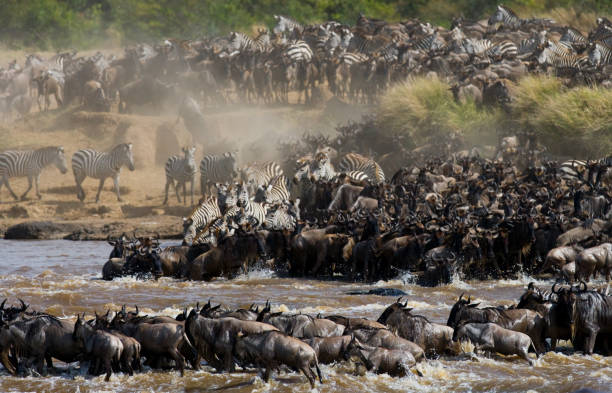
A crossing begins with an hour of nothing. Thousands of animals mass on the bank, advance, retreat, and mass again. Then one animal commits and the whole column follows in a churn of dust, water and noise that can last twenty minutes or four hours.
Crossings cannot be scheduled. What can be scheduled is your proximity. Staying within thirty minutes of the Mara and Talek river lines, and running full-day drives with a packed lunch, is the single biggest factor in whether you see one.
Where to be, month by month
July: the front of the herd reaches the Sand River and the southern Mara. Early crossings begin.
August and September: the peak. Herds are spread across the reserve and Mara North, and crossings occur on most days somewhere along the river.
October: the return south begins, with a second wave of crossings in the opposite direction and noticeably fewer vehicles.
January to March: calving on the southern Serengeti plains. Not a Mara month, but the best predator viewing of the year if you cross the border.
Choosing your camp
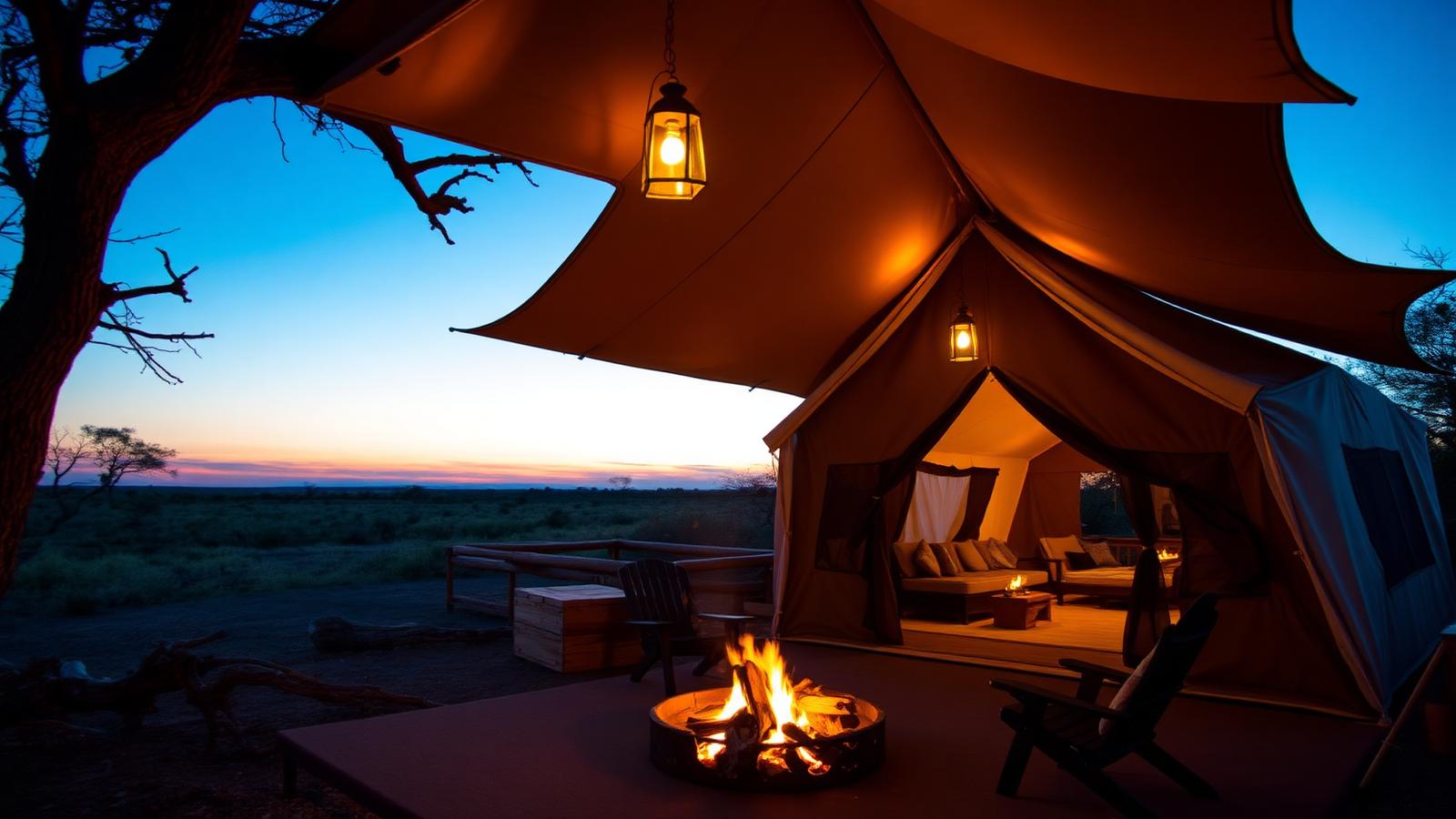
Reserve camps put you closest to the crossings but share the sightings with every other vehicle in the park. Conservancy camps limit vehicle numbers, permit off-road driving and night drives, and are typically a forty-minute drive from the river.
Our standard recommendation for a seven-night migration trip is to split: three or four nights in a conservancy for quality of sighting, then three nights on the reserve edge for access to the crossings.
What it costs
A mid-range migration week runs from about USD 4,200 per person sharing. Luxury conservancy camps with private guiding start around USD 6,400. Budget reserve-edge camps with shared drives can bring the same eight days under USD 2,400.
The largest single variable is not the camp. It is whether you fly internally or drive. Flying costs more and buys back two full days of game viewing.